
 Being sued by a debt collector in Florida can feel overwhelming. You may have tried negotiating before being served, but once a lawsuit is filed, the stakes are much higher. Ignoring the lawsuit can lead to default judgment, wage garnishment, bank levies, and long-term financial damage.
The good news is there are proven strategies for fighting debt collection lawsuits and learning how to beat debt collectors in court. Depending on your situation, you may even be able to get a debt lawsuit dismissed or reach a more favorable resolution.
This blog explains how to fight debt collectors in court and win, defend against credit card lawsuits, and protect yourself from aggressive debt collectors in Florida
Being sued by a debt collector in Florida can feel overwhelming. You may have tried negotiating before being served, but once a lawsuit is filed, the stakes are much higher. Ignoring the lawsuit can lead to default judgment, wage garnishment, bank levies, and long-term financial damage.
The good news is there are proven strategies for fighting debt collection lawsuits and learning how to beat debt collectors in court. Depending on your situation, you may even be able to get a debt lawsuit dismissed or reach a more favorable resolution.
This blog explains how to fight debt collectors in court and win, defend against credit card lawsuits, and protect yourself from aggressive debt collectors in Florida
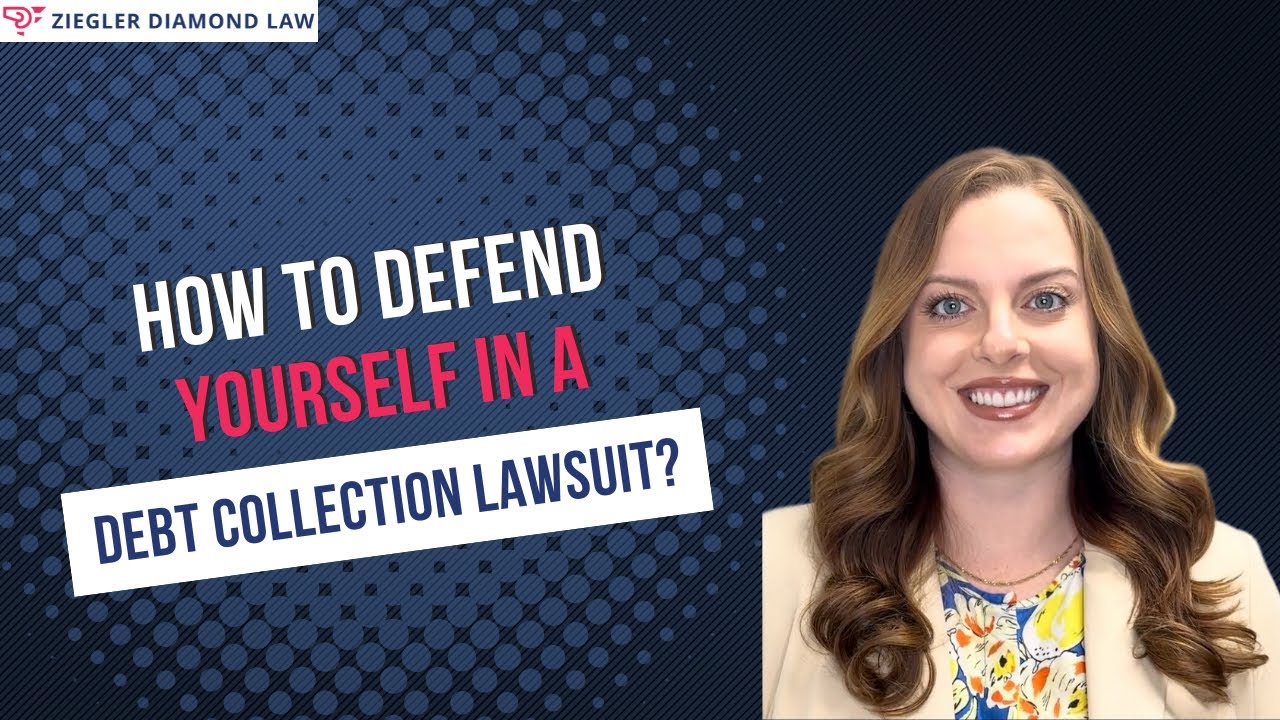
Know Your Rights and Respond Quickly to Debt Collection Lawsuits
As a consumer, it’s essential to understand your rights when dealing with debt collectors. The Fair Debt Collection Practices Act (FDCPA) is a federal law that regulates debt collectors and their interactions with consumers. The FDCPA prohibits debt collectors from engaging in unfair or deceptive practices, such as harassment or false statements. As a consumer, it’s essential to understand your rights when dealing with debt collectors. Many people don’t realize that debt collectors are heavily regulated, and they must follow strict laws when attempting to collect money. The Fair Debt Collection Practices Act (FDCPA) is a federal law designed to protect consumers from abusive, unfair, or deceptive collection tactics. Under the FDCPA, debt collectors cannot harass you, lie to you, or misrepresent the amount you owe. These protections ensure that even if you legitimately owe a debt, collectors must treat you fairly and respectfully throughout the process.Know the FDCPA Rules for Debt Collectors
Debt collectors must follow specific rules and guidelines when contacting you about a debt. Some of the most important requirements include:- Clear identification: They must state their name, their company, and that they are attempting to collect a debt.
- Written notice of debt: Within five days of their first contact, they must send you a written notice that includes the amount owed, the name of the original creditor, and your right to dispute the debt.
- Honesty in communication: Collectors cannot make false claims about the amount you owe, pretend to be attorneys or government officials, or threaten legal action they don’t intend to take.
- Respectful treatment: They cannot call you repeatedly to harass you, use obscene or threatening language, or contact you at unreasonable hours (generally before 8 a.m. or after 9 p.m.).
- Compliance with all laws: Debt collectors must follow both federal rules under the FDCPA and state-specific consumer protection laws.
Hire a Florida Debt Collection Defense Attorney
If the debt is significant, consulting a qualified attorney is highly recommended. A debt collection attorney can help identify defenses you may not know about and advise you on what to do if a debt collector sues you. Many attorneys, including Ziegler Diamond, offer a free initial consultation. During your consultation, you can discuss:- Whether your case is worth pursuing or settling.
- The best course of action from an objective perspective.
- Potential defenses if your creditor has violated the law.
Respond to the Complaint Within the Allowed Time
When you are being sued by a debt collector in Florida, the first and most important step is to respond to the lawsuit on time. Once you are served with a summons and complaint, you typically have 20 days to file a legal response called an “answer.” This document must be filed with the clerk of court, and you should bring multiple copies so one can be stamped for your records. Send another copy to the creditor or their attorney by certified mail and keep proof of delivery. If you fail to respond, the judge may issue a default judgment, which allows the creditor to garnish your wages, freeze your bank account, or place liens on your property. Fighting a debt collection lawsuit requires taking action quickly. By filing a timely answer, you preserve your defenses and give yourself a real chance at how to win a debt collection lawsuit.Challenge Validity of Service
In Florida, creditors must strictly follow legal procedures when serving a debt collection lawsuit. Proper service ensures you are officially notified and have a chance to respond. If a creditor fails to meet these requirements, you may be able to get a debt lawsuit dismissed or at least delay the proceedings. Common mistakes in service include:- Delivering the complaint to the wrong address.
- Serving someone who is not legally authorized to receive documents on your behalf.
- Failing to provide notice within the timeframe required by law.
Challenge the Plaintiff’s Right to Sue
One of the strongest defenses when fighting a debt collection lawsuit is to challenge whether the creditor actually has the legal right to sue you. In court, the plaintiff must prove that they are the rightful owner of your debt. However, debts are frequently sold, transferred, or bundled into large portfolios and passed from one collection agency to another. During these transfers, important paperwork often gets lost or is never properly documented. If the company suing you cannot produce valid documentation—such as the original credit agreement, payment history, or proof of transfer showing they legally own the debt—their case may fall apart. Without this evidence, the court may dismiss the lawsuit entirely. Because this defense relies on carefully reviewing documents, consulting with an experienced debt relief attorney in Florida can be extremely valuable. An attorney can spot missing paperwork, identify inconsistencies, and hold the creditor accountable, giving you a much stronger chance of winning your case.How to Use Burden of Proof to Fight a Debt Collection Lawsuit
When facing a debt collection lawsuit, it’s essential to remember that the creditor bears the burden of proof. This means it’s their responsibility—not yours—to prove that you actually owe the debt, the exact amount, and that they have the legal right to collect it. Many debts are sold or transferred before a lawsuit is filed. Often, the new owner of the debt may not have the proper paperwork or documentation to show they legally own it. If the creditor cannot provide this proof, you may have a strong defense and could potentially have the lawsuit dismissed. Here’s how you can protect yourself:- Request complete documentation: Ask the creditor to provide records that prove the debt exists, including the original account statements and any documents related to debt transfers.
- Verify ownership: Ensure the party suing you is the actual legal owner of the debt. Without proper documentation, their claim may not stand in court.
- Use inconsistencies to your advantage: If the creditor cannot prove the debt or the transfer of ownership, this strengthens your case and may lead to a dismissal.
Check the Statute of Limitations
When dealing with debt, one of the most important legal concepts to understand is the statute of limitations. This law determines how long a creditor or debt collector has to sue you in court. Once the time limit has passed, the debt is considered “time-barred,” and while collectors may still attempt to contact you, they cannot legally force repayment through a lawsuit. Here are key points to keep in mind:- Varies by state and debt type – Statutes of limitations differ depending on your location and whether the debt is credit card, medical, or loan-related.
- Starts from last activity – The clock usually begins on the last payment, purchase, or acknowledgment of the debt.
- Restarting the clock – Even a small payment or written promise could reset the time frame, giving collectors new rights.
- Seek legal advice – An attorney can confirm if your debt is time-barred and help you avoid costly mistakes.
File a Countersuit if Your Creditor Violated the Law
When you are sued by a collection agency, it’s easy to feel like the odds are stacked against you. But remember—debt collectors must follow strict rules under the Fair Debt Collection Practices Act (FDCPA) and Florida’s consumer protection laws. If they break those rules, you may have the right to file a countersuit, which can not only stop the lawsuit but also put you in a stronger legal position. Common FDCPA violations include calling you outside of permitted hours, using threats or abusive language, lying about the amount you owe, or attempting to collect on debts that are already expired under the credit card debt statute of limitations in Florida. In these cases, collectors may be forced to pay your damages, cover your attorney’s fees, and even drop their case. Filing a countersuit can dramatically shift the balance in your favor. It’s one of the most effective ways for how to stop a debt collection lawsuit, improve your chances of winning a credit card lawsuit, and even learn how to beat LVNV Funding in court if they fail to follow the law.Dispute Fraudulent Charges
If you’re responding to a debt collection lawsuit and notice that some charges aren’t yours, it’s crucial to take action immediately. When someone steals your credit card, uses your personal information, or makes unauthorized purchases, you are not legally responsible for those debts. Disputing these fraudulent charges is an important part of how to respond to a debt collection lawsuit and can prevent collectors from pursuing invalid claims against you. Start by notifying your credit card company or bank as soon as you spot suspicious activity. Most financial institutions have fraud departments that investigate unauthorized transactions and work to remove them from your account. You can also file a report with the police and place a fraud alert or credit freeze with credit bureaus to prevent further misuse of your information. Taking these steps is a critical strategy if you want to fight debt collectors or learn how to beat debt collectors in court. Documenting everything strengthens your defense and can help dismiss claims based on fraudulent activity.Dispute Debts Due to a Similar Name
Sometimes, consumers are sued by a collection agency by mistake simply because they share a name with the actual debtor. This is more common than you might think, especially when creditors rely on minimal identifying information. If this happens, you have the right to fight the lawsuit and prevent a wrongful judgment. Remember, the creditor bears the burden of proof—they must demonstrate that you are the person who owes the debt. If you receive a lawsuit in error, acting quickly is crucial. Notify the court and the creditor immediately, providing documentation that proves your identity, such as government-issued IDs or proof of address. Consulting a knowledgeable debt relief attorney in Florida can help you take the right steps, increase your chances of winning a credit card lawsuit, and learn how to beat LVNV Funding in court or similar collectors. This defense can also intersect with the credit card debt statute of limitations in Florida, ensuring that collectors aren’t trying to sue for debts that are no longer legally enforceable. Taking action promptly is a key strategy to stop a debt collection lawsuit or otherwise stop a lawsuit from a creditor in its tracks.Negotiate
Negotiation is often one of the most effective ways to resolve debt issues, even if a creditor has already filed a lawsuit. While it is generally easier to negotiate before a creditor sues you, it is still possible to reach a settlement during the legal process. Creditors are motivated by efficiency—they want to recover as much money as possible quickly and may be willing to accept a reduced payment or structured plan if it avoids costly court proceedings. A skilled Florida debt collection defense attorney can significantly improve your position during negotiations. Attorneys know creditor tactics, can evaluate whether a settlement is reasonable, and may secure terms far better than what you could achieve on your own. Possible negotiation options include reduced lump-sum payments, installment plans, or partial debt forgiveness. Negotiating a settlement can save time, reduce stress, protect your credit score, and even provide a clear path to resolving the debt without prolonged litigation. For consumers looking to stop a debt collection lawsuit or learn how to beat debt collectors, skilled negotiation often offers the fastest, most practical solution.Know the State-Specific Laws
Debt collection laws vary from state to state, and in many cases, state regulations provide stronger protections than federal laws like the Fair Debt Collection Practices Act (FDCPA). For instance, some states restrict when debt collectors can contact you, limiting calls to certain hours or banning calls to your workplace. Other states require collectors to provide detailed information about the debt, including the original creditor, total amount owed, and any added fees or interest. These rules are designed to prevent harassment and ensure fair treatment. Because laws differ widely, it’s essential to understand the regulations that apply in your state. Our firm is licensed in both Florida State and Federal Courts, giving us the expertise to handle debt collection cases under Florida’s specific rules. To learn more about your state’s laws, you can visit the Attorney General’s website or contact a local consumer protection agency. Consulting with a debt collection attorney can provide critical guidance, help you interpret complex regulations, and develop effective strategies. Knowing your rights under both state and federal law empowers you to protect yourself from debt collector harassment and ensures you are treated fairly throughout the process.Consider Filing Bankruptcy
In some situations, rather than spending time and resources defending against a debt collection lawsuit, it may make more sense to consider filing for bankruptcy. This option is particularly relevant if you owe a large amount of money, have few or no viable defenses, and cannot realistically repay the debt. Filing for bankruptcy can provide a fresh financial start and relieve the pressure of ongoing collection efforts. One of the key benefits of bankruptcy is the automatic stay, which immediately halts most collection actions. Once you file, debt collectors are legally prohibited from contacting you, filing lawsuits, garnishing wages, or freezing your bank accounts while your case is processed. This gives you breathing room to reorganize your finances or discharge certain debts. However, bankruptcy has long-term consequences. It will remain on your credit report for several years, impacting your ability to obtain new credit, secure loans, or sometimes even rent property. Because of these complexities, it is critical to consult with a qualified Florida bankruptcy attorney. A skilled attorney can evaluate your situation, explain how bankruptcy will affect your financial future, and determine whether it is the most strategic option for your circumstances.Conclusion
Facing a debt collection lawsuit in Florida can be stressful and overwhelming, but you have options to protect yourself. From understanding your rights under the FDCPA to challenging the validity of service, disputing fraudulent charges, negotiating settlements, or even filing for bankruptcy, there are multiple strategies to fight back. Acting quickly, knowing the credit card debt statute of limitations in Florida, and consulting a knowledgeable attorney significantly increase your chances of a favorable outcome. Whether your goal is how to beat debt collectors, stop a debt collection lawsuit, or simply protect your financial future, understanding the law and taking timely action is essential.Contact Us if You’re Facing a Debt Collection Lawsuit
If you are dealing with a debt collection lawsuit or a creditor is threatening legal action, you need a knowledgeable Florida debt collection defense attorney on your side. Contact Ziegler Diamond Law today for expert guidance and a free consultation. Our experienced team can advise you on your options, help protect your rights, and develop a strategy to handle debt collector harassment, unmanageable debts, or home foreclosure issues. Don’t wait—time is critical in debt collection cases. Call us directly:- Clearwater: (727) 538-4188
- Tampa: (813) 225-3111
- Mt. Dora: (352) 600-1326
Frequently Asked Questions
What are my rights when a debt collector sues me in Florida? In Florida, you are protected under both the Fair Debt Collection Practices Act (FDCPA) and state-specific debt collection laws. These laws prevent debt collectors from using harassment, false statements, or unfair practices. You have the right to request proof of the debt, challenge improper service, and defend yourself in court. Do I need a lawyer to defend against a debt collection lawsuit? While it’s possible to represent yourself, hiring a Florida debt collection defense attorney is highly recommended. An attorney can identify defenses, negotiate settlements, and ensure that debt collectors follow the law, increasing your chances of a favorable outcome. How long do I have to respond to a debt collection lawsuit in Florida? Once served with a complaint, you typically have 20 days to file a formal response, called an “answer,” with the court. Failing to respond can result in a default judgment, where the court may grant the creditor everything they requested. Can I dispute a debt if it’s not mine or has fraudulent charges? Yes. You can challenge debts due to identity theft, fraudulent charges, or mistaken identity. The burden of proof is on the creditor to show that the debt is valid and belongs to you. Keep records and notify your credit card company or creditor immediately. When should I consider filing for bankruptcy instead of defending a lawsuit? Bankruptcy may be a practical option if you owe a large amount of money with no defenses and cannot repay the debt. Filing triggers an automatic stay, preventing debt collectors from contacting you, but it also affects your credit report long-term. Always consult an experienced Florida bankruptcy attorney before making this decision.Related: Sued by Rausch Sturm? 5 Steps to Take Now
Related: Sued by RAS Lavrar? 5 Steps to Take Now