
When the Write-Off on Your Florida Credit Report Is Wrong — What You Can Do
A write-off (or charge-off) on a Florida consumer’s credit report is one of the most common sources of credit-report inaccuracy we see in our Clearwater office. The creditor closes the account internally, codes it as a loss, and reports the entry to the bureaus — but the reporting is frequently wrong on the details that matter: the date of first delinquency, the balance, the status, or whether the debt was actually sold to a third party.
Under the federal Fair Credit Reporting Act (15 U.S.C. § 1681) and Florida’s Consumer Collection Practices Act, you have specific rights when a write-off entry is inaccurate, outdated past the seven-year reporting window, or duplicated by a debt buyer alongside the original creditor’s entry. The bureau has 30 days to investigate a written dispute and either correct or remove the entry. If they fail — or if the furnisher (the creditor or collector) fails to investigate — you may have a federal FCRA claim with statutory damages and fee-shifting that requires the creditor to pay your attorney’s fees.
The most common errors we file FCRA disputes on:
- Re-aged dates. A debt buyer reports a “new” date of last activity that resets the seven-year clock.
- Duplicate reporting. The original creditor’s write-off AND the debt buyer’s collection account both appearing — counted twice against your score.
- Wrong balance. Interest and fees added after the charge-off that don’t match the original contract.
- Wrong status. Entry still showing “open” or “past due” after the account was paid, settled, or discharged in bankruptcy.
- Account that isn’t yours. Identity theft, mixed file, or a debt that was never legitimately yours.
If you’ve spotted one of these on your report — or if you’ve already disputed the entry with the bureau and they refused to fix it — we review the file at no cost and explain what (if anything) you have. Most FCRA cases run on a contingency basis: you don’t pay our fees, the creditor does if we win. Schedule a free Debt Freedom Strategy Session or call (727) 538-4188.
When you see “written off” on your credit report, it means your lender has classified your account as a loss after several missed payments. In simple terms, the written off meaning or charge off on a credit report refers to the lender acknowledging that the debt is unlikely to be repaid. However, this doesn’t erase your obligation — you still owe the money.
A write-off on your credit report can negatively affect your credit score, making it harder to qualify for new loans or credit cards. Whether it’s a credit card charged off as bad debt or another account written off as a loss, this status signals to future lenders that you’ve struggled to make timely payments. Keep reading to understand what a write-off means, how long it stays on your credit report, and how to rebuild your credit health after a write-off.
Key Takeaways
- A ‘written off’ status on a credit report indicates that the lender considers the debt a loss, but the borrower remains legally responsible to repay it.
- Debts typically become written off after 120 to 180 days of delinquency, leading to significant negative impacts on credit scores for up to seven years.
- Understanding the distinction between ‘written off’ and ‘charged off’ accounts is essential, as both remain on credit reports and suggest a history of payment failures.
What “Written-Off” Means on Your Credit Report
When you see “written off” on your credit report, it means the lender has decided the debt is a loss and has closed the account to new charges. This usually happens after months of missed payments, when the lender has made multiple attempts to collect but hasn’t received payment.
However, a written-off debt doesn’t mean it’s forgiven. You still legally owe the money, and the lender—or even a debt buyer—can continue trying to collect or may take legal action to recover the balance. The write-off on your credit report simply shows that the account is no longer active and is considered a “bad debt.”
This status can hurt your credit score and make it harder to qualify for new credit in the future, as lenders may see it as a sign of missed financial obligations. Understanding the accounts written off means helping you take steps to manage or resolve the debt before it causes long-term damage to your credit history.
How Does a Debt Become “Written Off”?
The process of a debt being written off usually starts with missed payments. When you fall behind on your bills, your account becomes delinquent, and the lender begins collection efforts. If no payments are made for several months—typically between 120 and 180 days—the creditor may decide the debt is unlikely to be repaid and mark it as “written off.”
However, a write-off on your credit report doesn’t mean the debt disappears. Even though the lender records it as a loss for accounting purposes, you’re still legally responsible for repaying the amount owed. In many cases, the creditor may continue trying to collect the balance or sell the debt to a collection agency.
It’s also important to note that late or missed payments leading up to a credit card write-off debt can cause significant damage to your credit score—especially once payments are more than 30 days late. So, while the account status may change to “written off,” your financial obligation and its impact on your credit history remain.
Impact of a Write-Off on Your Credit Score
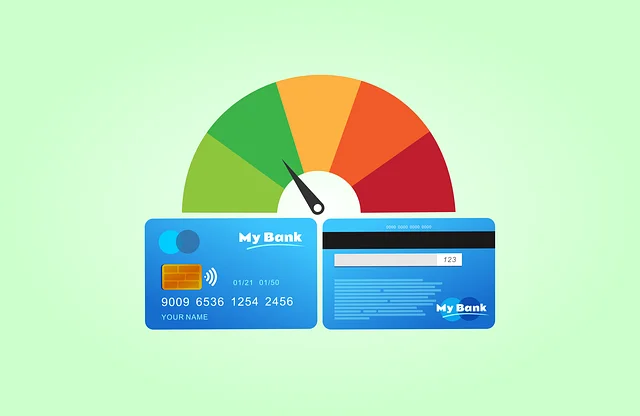
A write-off on your credit report can have a serious and long-lasting impact on your credit score. When an account is charged off or written off, it tells lenders that you failed to repay the debt as agreed. This negative mark can stay on your credit report for up to seven years from the date of your first missed payment under the “seven-year rule.”
Since payment history makes up about 35% of your FICO score, a write-off can cause a major drop in your credit score. Even if you later pay off the balance, the account will still appear as a paid charge-off or written-off debt, which continues to affect your credit profile—though paying it can still look better to future lenders than leaving it unpaid.
The missed payments leading up to the credit card write-off debt also add to the damage, as each late payment further lowers your score. Because of this, lenders may view your account as a higher risk, making it harder to qualify for new credit cards, loans, or favorable interest rates.
Difference Between “Written-Off” and “Charged-Off”
Many people use the terms “written off” and “charged off” interchangeably, but there’s a subtle difference between them. A charged-off account means the creditor has marked the debt as a loss for accounting purposes after several months—usually around six months (180 days)—of missed payments. At this point, the lender closes the account to new charges and reports it as a charge-off to the credit bureaus.
However, this doesn’t mean you’re off the hook. Even after a charge-off, the borrower still owes the balance, and creditors or collection agencies can continue pursuing repayment or even take legal action. The charge-off status simply shows that the lender doesn’t expect to collect the full amount directly.
A write-off on your credit report generally refers to the same accounting action—when a lender considers the debt uncollectible and removes it from their active books. Despite this, the written-off debt still exists, and the lender or a debt buyer may continue collection efforts. In other words, neither a charge-off nor a write-off erases your obligation to pay.
Both charged-off and written-off accounts can remain on your credit report for up to seven years, significantly impacting your creditworthiness. Even if you pay off the debt later, it will still appear as a paid charge-off or settled account, which remains a negative mark but is better than leaving it unpaid.
Can Charged-Off Debts Still Be Collected?
Yes — even after a debt is charged off, your obligation to repay does not disappear. A charged-off debt simply means the creditor has determined the account is unlikely to be paid and has written it off as a loss for accounting purposes. However, you still legally owe the balance, and the creditor may continue trying to collect it or sell the debt to a collection agency for recovery.
When a collection agency takes over, they are legally required to send you a written notice within five days of their first contact. This notice must include key details such as the amount owed and the original creditor’s information.
It’s also important to understand the statute of limitations on debt. Once this time period expires, creditors and collectors can still ask you to pay, but they cannot sue you in court to enforce payment. Knowing these rights can help you handle communications with debt collectors confidently and avoid unfair or illegal collection practices.
How to Handle Charged-Off Debts
Dealing with a charged-off debt requires careful planning and informed decisions. The first step is to verify the debt. Make sure the amount is correct and that the debt is legitimately yours before negotiating with a debt collector. This helps prevent paying debts that may contain errors or inaccuracies.
Next, create a repayment plan that fits your budget. If you reach an agreement with a collector, always get it in writing. Written documentation protects you from future disputes and ensures accurate reporting to the credit bureaus.
If you’re struggling to manage repayment, consider seeking help from a credit counselor. They can assist in creating a budget and negotiating with creditors. Be cautious of debt settlement companies that charge upfront fees, as they may not always deliver on their promises.
Finally, understanding your rights is crucial. The Fair Debt Collection Practices Act (FDCPA) protects you from harassment, threats, or misleading tactics by debt collectors and credit card companies. Knowing your rights allows you to address credit card write-off debt effectively and regain control over your finances.
Rebuilding Your Credit After a Charged-Off Account
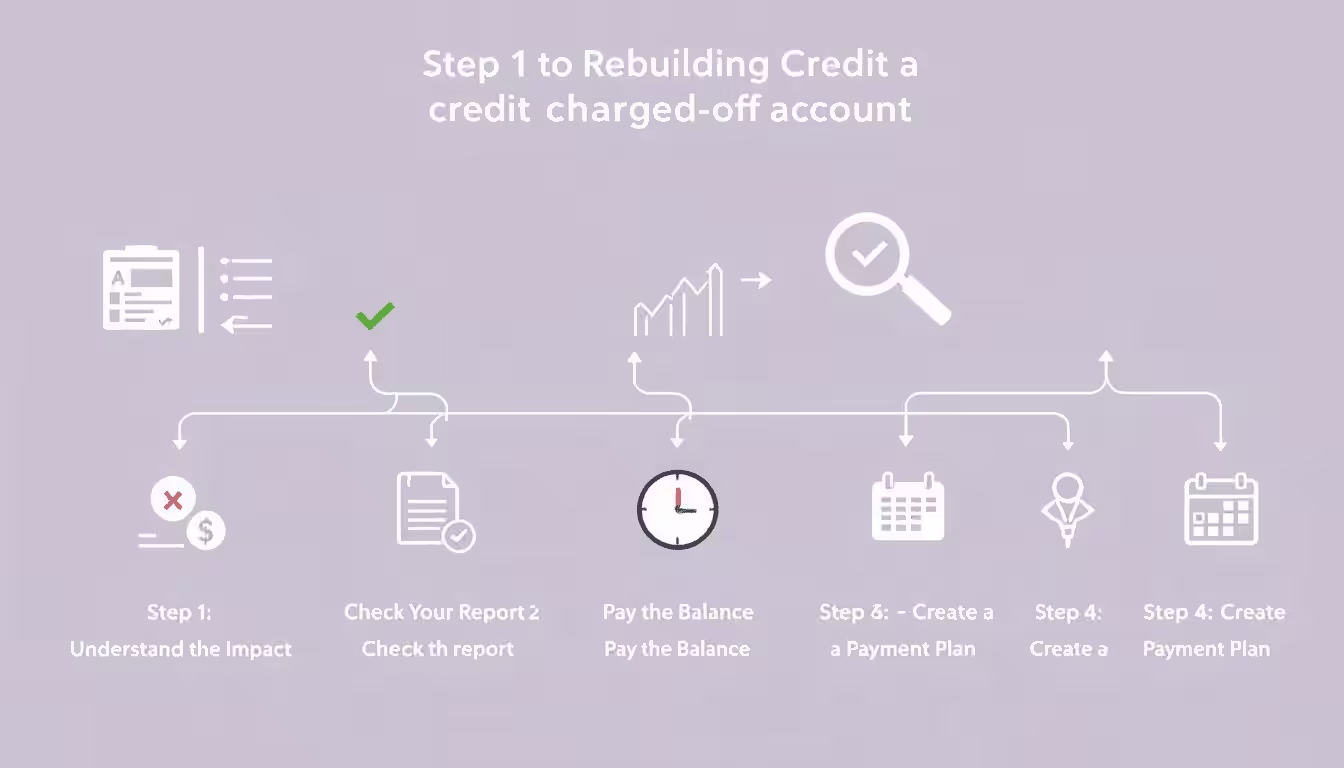
Recovering from a charged-off account is possible with consistent effort and smart financial habits. The first step is to focus on timely payments, as payment history is the most important factor in your credit score. Keeping your credit utilization rate below 30% of your total credit limit also helps improve your score and shows lenders responsible credit management.
Using a secured credit card can be an effective way to rebuild credit. By making regular, on-time payments, your activity gets reported to the credit bureaus, helping to improve your credit profile. Another option is becoming an authorized user on a family member or friend’s credit card or using a co-signer for a new account. These strategies can boost your credit score over time, as long as the primary user maintains good payment habits.
With patience, discipline, and the right tools, you can gradually restore your creditworthiness and recover from the negative impact of credit card write-off debt.
Legal Implications of Charged-Off Debts
Charged-off debts can have several legal consequences, so it’s important to understand your rights. Even after a debt is written off or charged off, debt collectors may still attempt to collect it. However, once the statute of limitations on debt expires, creditors and collectors cannot sue you to enforce payment, though they may still request repayment voluntarily.
Summary
In summary, understanding what a write-off means on a credit report is essential for maintaining your financial health. A written-off debt or charge-off on credit report indicates that the lender has marked your account as a loss — but your obligation to repay still remains. These charged-off debts can significantly affect your credit score and typically stay on your credit report for up to seven years.
Fortunately, there are ways to manage written-off accounts and rebuild your credit over time. Start by verifying the debt’s accuracy, negotiating a repayment or settlement plan, or working with a credit counselor or debt fighter attorney for professional guidance.
Remember, rebuilding credit after a write-off takes patience and consistent effort. By following sound financial habits and addressing your charged-off debts responsibly, you can gradually restore your credit score and move toward lasting financial stability.
Remember, rebuilding your credit is a journey that requires time and disciplined financial habits. With persistence and the right strategies, you can recover from the negative impacts of charged-off debts and achieve financial stability.
What Does “Profit and Loss Write-Off” Mean on Your Credit Report?
If you have spotted the phrase “profit and loss write-off” on your credit report, you are not alone — and you are right to be confused. This is internal creditor accounting language that sometimes bleeds through onto consumer credit reports, and it means something very specific: your creditor has internally classified your unpaid debt as a loss on their profit and loss statement.
Here is what actually happened. After approximately 120 to 180 days of missed payments, your creditor determined that collecting the debt internally was no longer cost-effective. They wrote the balance off their books as a bad debt — a “profit and loss write-off” — and may have sold the account to a third-party debt collection agency. From the creditor’s perspective, the debt is gone. From your perspective, it is very much still there.
A “profit and loss write-off” on your credit report does not mean the debt is forgiven. You still legally owe the balance. The collection agency that purchased the debt can — and often will — attempt to collect it, and in some cases may sue you. The entry will also continue to damage your credit score for up to seven years from the date of first delinquency, regardless of whether you pay it.
This distinction matters because many consumers see this phrase and assume the debt has been “written off” in the sense of being cancelled. It has not. The creditor simply stopped trying to collect it directly. The obligation survives.
Your FCRA rights apply to this entry. If the “profit and loss write-off” entry on your credit report is inaccurate — for example, if the balance shown is wrong, if the date of first delinquency is incorrect (which affects when the seven-year clock started), if the account was already paid, or if the account does not belong to you — you have the right to dispute it under the Fair Credit Reporting Act. The credit bureau must investigate within 30 days and correct or remove any information it cannot verify.
If you have disputed a profit and loss write-off entry and the credit bureau failed to correct it, or if the entry has been on your report longer than seven years, you may have a viable FCRA claim. Contact our Florida FCRA attorneys at Ziegler Diamond Law for a free case evaluation. Under the FCRA’s fee-shifting provision, if we win your case, the defendant pays our fees — meaning it costs you nothing out of pocket to pursue your rights.
Frequently Asked Questions
What does “Profit and Loss Write-Off” mean on my credit report?
On a credit report, “Profit and Loss Write-Off” (sometimes shown as “Profit and Loss Writeoff” or “charged off as bad debt”) is how a creditor reports that it moved your seriously past-due account to a loss on its own books after you stopped paying. It does not mean the debt is gone. You still legally owe the balance, and the original creditor — or a debt buyer that purchases the account — can still try to collect, including by filing a lawsuit.
Is a “profit and loss write-off” the same as a charge-off?
For credit-reporting purposes, yes. Lenders and the credit bureaus use “profit and loss write-off,” “charge-off,” and “charged off as bad debt” to describe the same event: a delinquent account the creditor has written down as a loss, usually after about 180 days of missed payments. Either label signals the same thing to future lenders and can remain on your credit report for up to seven years from the date of the first missed payment.
What does “written off” mean on a credit report?
“Written off” on a credit report indicates that the lender has classified the account as a loss and closed it to further charges, yet the borrower remains legally responsible for repaying the debt.
How does a debt become written off?
A debt becomes written off when a creditor determines it is unlikely to be repaid after 120 to 180 days of missed payments. At this point, the debt is classified as a bad debt.
How do charge-offs affect my credit score?
Charge-offs significantly harm your credit score, primarily due to their impact on your payment history, which accounts for approximately 35% of your FICO score. Furthermore, they can persist on your credit report for up to seven years, prolonging their adverse effects.
What are the legal implications of charged-off debts?
Charged-off debts remain collectible by debt collectors, even after the statute of limitations, but they cannot initiate legal action for payment post-expiration.
Does a write-off mean I no longer owe the debt?
No. A write-off means the creditor gave up trying to collect and reported it as a loss — but the debt still legally exists and can still be collected or sold to a debt collector.
How long does a write-off stay on my credit report?
Seven years from the date of first delinquency, regardless of whether you pay it.
Can a written-off debt still be collected?
Yes. Creditors often sell written-off debts to collection agencies who will then attempt to collect. You may also face a lawsuit.
Will paying a written-off debt improve my credit score?
It may update the status to “paid charge-off” but the negative mark stays for 7 years. In some cases, negotiating a pay-for-delete is a better option.