
If you’re a Clearwater homeowner behind on payments, the noise around Florida foreclosures can feel personal fast. One letter turns into two. Then a phone call. Then you start wondering what happens next, and how quickly, especially as investors monitor homes in the Clearwater area as prospective properties through these initial stages of distress.
Here’s the practical truth: foreclosure usually isn’t sudden, but it does move forward when you stay silent. The good news is that most homeowners have options, especially when they act early and keep good records.
This guide breaks down what the latest statewide data suggests, what it can mean in Pinellas County, and what to do in the first 7, 30, and 60 days after a missed payment or notice.
Florida’s foreclosure ranking (early 2026) and why it matters locally
Florida foreclosures have been near the top of the national foreclosure charts again. The latest available statewide snapshot as of March 2026 comes from February 2026 reporting. In that report, Florida ranked third nationally for foreclosure rate (about one filing per 2,277 housing units). It also ranked third for completed foreclosures (REOs). You can review the full figures in the ATTOM February 2026 U.S. Foreclosure Market Report, which tracks foreclosure listings along with snapshots of market distress.
That ranking doesn’t mean every neighborhood is in trouble. Still, it signals a higher level of statewide “distress,” which often leads to:
Higher call volumes to mortgage servicers, longer hold times, and slower processing of loss-mitigation packets.
More foreclosure filings moving through Florida courts, which can create scheduling backlogs.
More scam activity, because scammers follow headlines and fear.
In other words, when Florida rises in the rankings, it’s smart for Clearwater homeowners to assume delays are possible and to start documenting everything early. Treat your paperwork like a seatbelt: you hope you won’t need it, but you’ll be glad it’s there.
What Clearwater homeowners should understand about the Florida foreclosure process
Most mortgage foreclosures in Florida are judicial under Chapter 45 Florida Statutes, meaning the lender typically files a lawsuit with the Clerk of Circuit Court in the local judicial circuit to foreclose. That matters because court papers come with deadlines, and missing one can limit your choices.
Even before anything reaches a courtroom, many homeowners first notice smaller warning signs:
A late notice that adds fees
A “breach” or default letter
Calls from a servicer’s loss-mitigation team
A referral to a foreclosure law firm
Once a case is filed, you may be served with a summons and complaint. From there, doing nothing is usually the worst move. A fast response can preserve defenses, create time to negotiate, or support a workout option, and seeking legal advice quickly is crucial.
Clearwater homeowners also need to think beyond the house itself. Foreclosure can connect to other debt pressure points, like credit cards used to cover the mortgage, medical bills after a job loss, or even collection lawsuits if you fall behind elsewhere.
If you’ve been served with court papers, don’t “wait to see what happens.” Deadlines can arrive before you feel ready.
For local court-related questions (like case status), homeowners often start with the Pinellas County Clerk of Circuit Court (you can search public case records and confirm hearing dates). If you’re unsure what you received, consider getting legal advice quickly so you don’t miss a response window.
Your 7-day, 30-day, and 60-day plan after a missed payment or notice
The best foreclosure plan is simple: act early, document everything, and keep control of communication. Use the timeline below as a calm framework, whether you missed a payment, received a default letter, or got served.
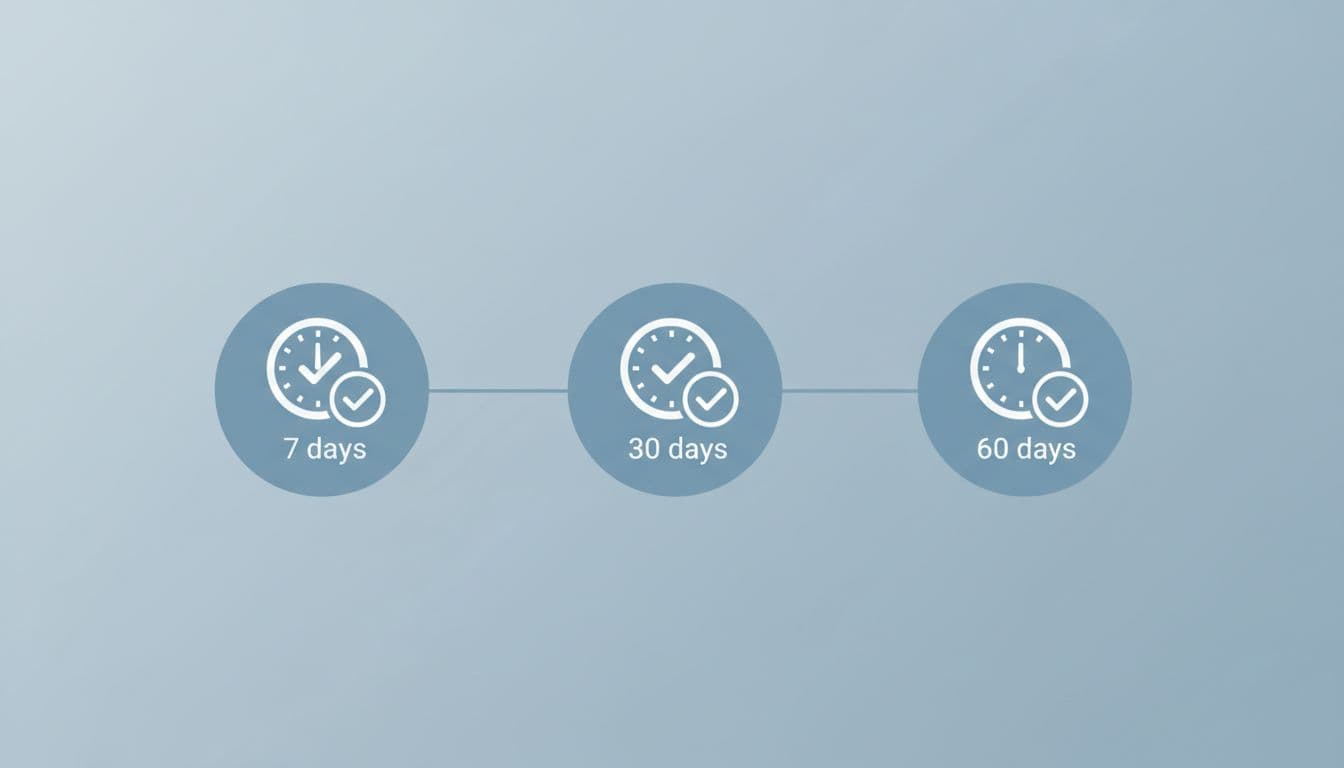
Here’s a quick timeline you can follow.
| Timeframe | What to do now | What you’re building |
|---|---|---|
| First 7 days | Call the servicer, ask for the “loss mitigation” department, request a written list of options, start a folder for every letter and screenshot | A clear paper trail and less confusion |
| First 30 days | Submit a complete hardship packet (income proof, budget, hardship letter), track all calls, follow up weekly, and ask about repayment plans, forbearance, or modification | A real shot at a workout option |
| First 60 days | If notices keep escalating toward foreclosure auctions or a public auction on the RealAuction platform used by Florida counties (with its deposit requirement and rapid bidding process), get legal advice, review bankruptcy and non-bankruptcy options, and prepare for possible court deadlines | Time and protection while you choose a direction |
A few tips make this work better in real life:
When you call, write down the rep’s name, time, and case number. Then follow up in writing.
If you submit documents, send them in one complete packet when possible. Partial packets often get “lost.”
If you think you’re close to a sale date, timelines matter even more. This page on foreclosure prevention timelines can help you understand how late is “too late” in practical terms.
If you’re in Clearwater and you want to talk through options with someone used to Pinellas-area cases, see foreclosure defense in Clearwater.
How to work with your lender or servicer (and document hardship the right way)
Servicers aren’t moved by panic. They respond to complete information and steady follow-up. So, treat your hardship like a story you can prove.
Start with a one-page hardship letter. When preparing a hardship letter or negotiating complex loss-mitigation solutions with your mortgage servicer, consider seeking legal advice. Keep it direct:
What changed (job loss, hours cut, illness, divorce, insurance spike)
When it changed
What you’ve done to adjust
What solution you’re requesting (forbearance, modification, repayment plan)
Next, back it up with documents. Think paystubs, benefit letters, bank statements, medical bills, or a termination notice. Also include a simple monthly budget. It doesn’t need to be fancy, it needs to be believable.
Finally, keep your timeline consistent. If you can’t make a full payment, ask whether partial payments will be accepted or rejected. Some servicers return partial payments, and that can affect your planning.
Foreclosure rescue scams in Florida: red flags Clearwater homeowners should know
When Florida foreclosures rise, “rescue” scammers show up on the doorstep, in your mailbox, and in your DMs. Pinellas County has published consumer warnings that are worth reading, including Consumer tips on foreclosure scams and mortgage fraud and foreclosure scam resources. Homeowners should contact the Clerk of Circuit Court to verify the actual legal status of their case and avoid falling for common scams.
Watch for these common red flags, following the buyer beware principle when encountering individuals making unrealistic promises:
Someone demands upfront fees to “stop foreclosure” right away.
They tell you to stop talking to your lender.
They push you to sign a deed or transfer title “temporarily.”
They promise guaranteed results, even after reviewing nothing.
If something feels rushed, pause. A real solution can handle questions and paperwork.
Foreclosure, credit damage, and buying a home later
Foreclosure can hit your credit hard, and it can raise the cost of future borrowing. Even before foreclosure, late payments can drag down scores, which then affects car loans, credit cards, and sometimes even insurance pricing.
Still, the story doesn’t end there. Many Clearwater homeowners rebuild by choosing a clear path, such as:
Keeping the home with a sustainable plan (modification, repayment, Chapter 13)
Selling before foreclosure, when possible
Surrendering the home but addressing other debts so they can reset
As part of a fresh start, homeowners often search for foreclosure homes for sale on the Multiple Listing Service using IDX information and property search tools, which offers a straightforward way to buy a home later. This contrasts with buying directly at foreclosure auctions, where a successful bidder submits winning bids paid via money order, wire transfer, or certified check. Such bidders must follow the foreclosure sales policy, pay documentary stamps and registry of court fees, and verify property liens and mortgage encumbrances to ensure clear and marketable title before receiving a Certificate of Title. Bidder training can prepare those interested in this process.
For homeowners considering bankruptcy as part of a plan, Chapter 13 is often discussed because it can create a structured repayment approach that may help people keep property. Learn more about Chapter 13 bankruptcy in Clearwater and read a plain-English explanation of whether bankruptcy can halt foreclosure.
If you want free, non-legal housing guidance, a HUD-approved housing counselor can help you review options and budgeting. You can also ask the Pinellas County Clerk of Court about case records and scheduled events if a lawsuit has already been filed.
Conclusion
Florida foreclosures’ high ranking is a warning light, not a life sentence. What matters most is what you do next: document your hardship, proactively communicate with your servicer, and protect your deadlines. With proactive communication and professional planning, many Clearwater homeowners can reduce damage and sometimes save the home.
Disclaimer: This article is for general information only, not legal, tax, or financial advice. Foreclosure deadlines and options depend on your facts, so consider speaking with a qualified professional about your situation.