

When debt feels like a pile of mail that keeps growing on its own, clear steps matter. Before filing Florida Chapter 7 bankruptcy, take a breath and get organized. A little prep now can save stress, delay, and expensive mistakes later.
Chapter 7 can erase many unsecured debts, like credit cards and medical bills, though some debts stay. This checklist covers what to gather for your bankruptcy petition, what to review, and what not to do. Every case is different, so get legal advice based on your own facts for the debt relief you seek.
Get your financial picture on paper first
Chapter 7 bankruptcy starts with honesty and detail. The bankruptcy court, bankruptcy trustee, and bankruptcy lawyer need a full snapshot of your money, property, and debts. Bankruptcy paperwork isn’t anyone’s dream hobby, but guessing is worse.
Start collecting:
- Income records: Pay stubs, benefit statements, pension income, and any side-gig or self-employment records from the last six months.
- Tax documents: Usually your last two federal tax returns.
- Debt records: Credit card statements, your credit report, medical bills, and personal loans (unsecured debts); mortgage statements and car loans (secured debts); collection letters, lawsuits, and any wage garnishment papers.
- Asset records: Car titles, mortgage statements, deeds, bank statements, retirement accounts, and life insurance information.
- Monthly expenses: Rent or mortgage, utilities, food, insurance, child care, and transportation.
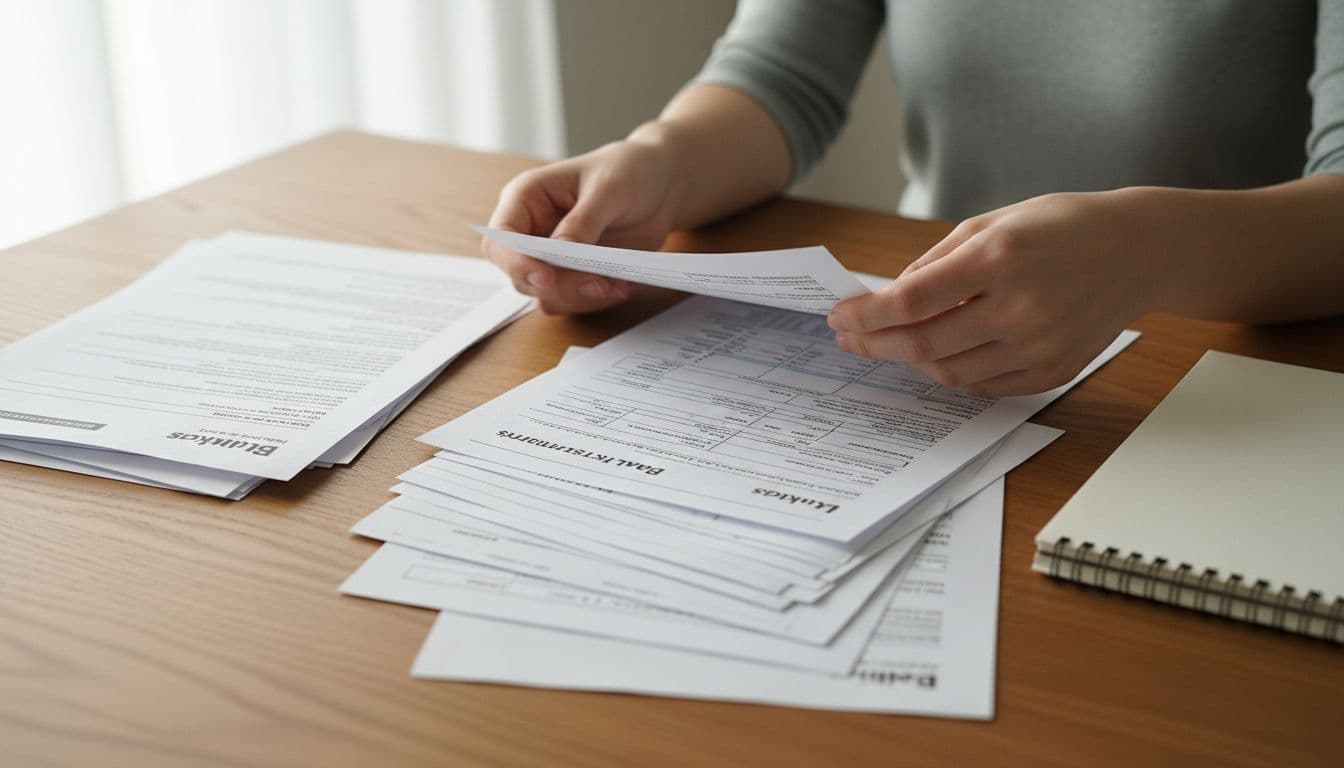
Also, make a list of every creditor. Don’t leave one out because the bill is old, embarrassing, or buried in a junk drawer. If you want a broader overview, this guide on how Chapter 7 bankruptcy works in Florida explains the full process in plain English.
Confirm you meet the Florida Chapter 7 bankruptcy rules
Not everyone can file Chapter 7 bankruptcy right away, so check the basics before you spend time and money. First, look at your average household income for the last six full months. If it’s below Florida’s median income test for your household size, qualifying may be easier. If it’s above, the Chapter 7 bankruptcy means test takes a closer look at allowed expenses and disposable income.
For a deeper review, see Florida Chapter 7 income limits and this plain-English Florida means test and income limit overview.
If your income is too high to pass the means test, you may need to pursue Chapter 13 bankruptcy as an alternative.
You also need a credit counseling course from an approved provider within 180 days before filing. After filing, you’ll take a debtor education course before bankruptcy discharge. These courses are usually short and often cost about $10 to $50. As of March 2026, the Chapter 7 filing fee is about $338, unless the court allows other arrangements.
A few more checkpoints matter. If you got a bankruptcy discharge in the last eight years, you likely have to wait. If you recently moved to Florida, your exemption rules may change. If a creditor is suing you or garnishing wages, timing matters because the automatic stay usually starts once you file.
Don’t guess on the means test. One wrong number can send a case in the wrong direction.
Know what property Florida bankruptcy exemptions may protect
One of the biggest fears is losing everything. That’s understandable, but it usually isn’t how Florida Chapter 7 bankruptcy works. Florida has strong exempt property protections, which protect certain property from the trustee. The trustee might sell non-exempt assets through liquidation to pay creditors.
If you’ve lived in Florida for at least 730 days, you generally must use Florida’s exempt property rules. The Florida homestead exemption can protect a primary home with unlimited value, subject to acreage limits and timing rules. In broad terms, that means up to 0.5 acre in a municipality or up to 160 acres outside one. Homestead issues can get tricky fast, especially if you haven’t owned the property long enough.

Florida also protects up to $5,000 in motor vehicle equity under the vehicle exemption. Personal property is usually protected up to $1,000 under the personal property exemption, and if you don’t claim homestead, you may get an extra $4,000 wildcard exemption. Many retirement accounts and benefits, including Social Security, unemployment, workers’ compensation, and veterans’ benefits, are often protected too. For added background, see this overview of Florida bankruptcy exemptions.
The short version is simple: don’t assume, don’t panic, and don’t transfer property before filing.
Avoid common pre-filing mistakes that create trouble
Last-minute money moves can hurt more than help. Think of Chapter 7 like airport security for your finances. The odd thing in your bag is the thing that gets flagged. These actions risk your bankruptcy discharge, the ultimate goal of eliminating unsecured debts.
Before filing, don’t:
- Transfer assets to friends or family for cheap or for free.
- Repay relatives first while other creditors wait.
- Run up credit cards for cash advances or luxury purchases.
- Cash out retirement accounts to pay dischargeable debt without legal advice.
Also, don’t hide assets, forget bank accounts, or leave lawsuits off your bankruptcy petition. The bankruptcy trustee reviews records closely in bankruptcy court, so a simple case can get messy fast if something looks off.
Tell your lawyer about pending lawsuits, repossession threats, garnishments, tax issues, and recent large payments. Filing triggers an automatic stay that halts collection efforts right away. Most filers also attend a meeting of creditors about 30 to 40 days after filing, often by phone or video. The meeting of creditors is usually brief, but the paperwork behind it needs to be right to secure your bankruptcy discharge. The bankruptcy trustee conducts the meeting of creditors to verify details under oath.
If you want to keep cars or homes, discuss a reaffirmation agreement with your lawyer.
If you want guidance before you file, speak with a Chapter 7 bankruptcy lawyer in Florida. Personal advice matters because small facts can change the result.
Take the next step with confidence
Filing bankruptcy is serious, but it doesn’t have to feel like a blind jump. A solid checklist gives you a better grip on your documents, your risks, and your options like Chapter 7 bankruptcy; some might find Chapter 13 bankruptcy more appropriate after a review. For advice tailored to your situation, contact Ziegler Diamond Law in Clearwater, FL for a free consultation and find out what relief, such as a bankruptcy discharge for a fresh start, may be available now.