

Can a Bank Garnishment Be Reversed? Steps to Take Now
Yes, a bank garnishment can a bank garnishment be reversed. This article will guide you through the steps needed to stop the garnishment and recover your funds.
Key Takeaways
- Bank garnishment allows creditors to seize funds from a debtor’s bank account through a court order, which can significantly disrupt financial stability.
- To reverse a bank garnishment, debtors can claim exemptions, challenge the original judgment, or file for bankruptcy, each requiring specific procedural steps.
- Engaging a local attorney can improve the likelihood of successfully overturning a garnishment, as they provide strategic guidance and ensure compliance with legal processes.
Understanding Bank Garnishment
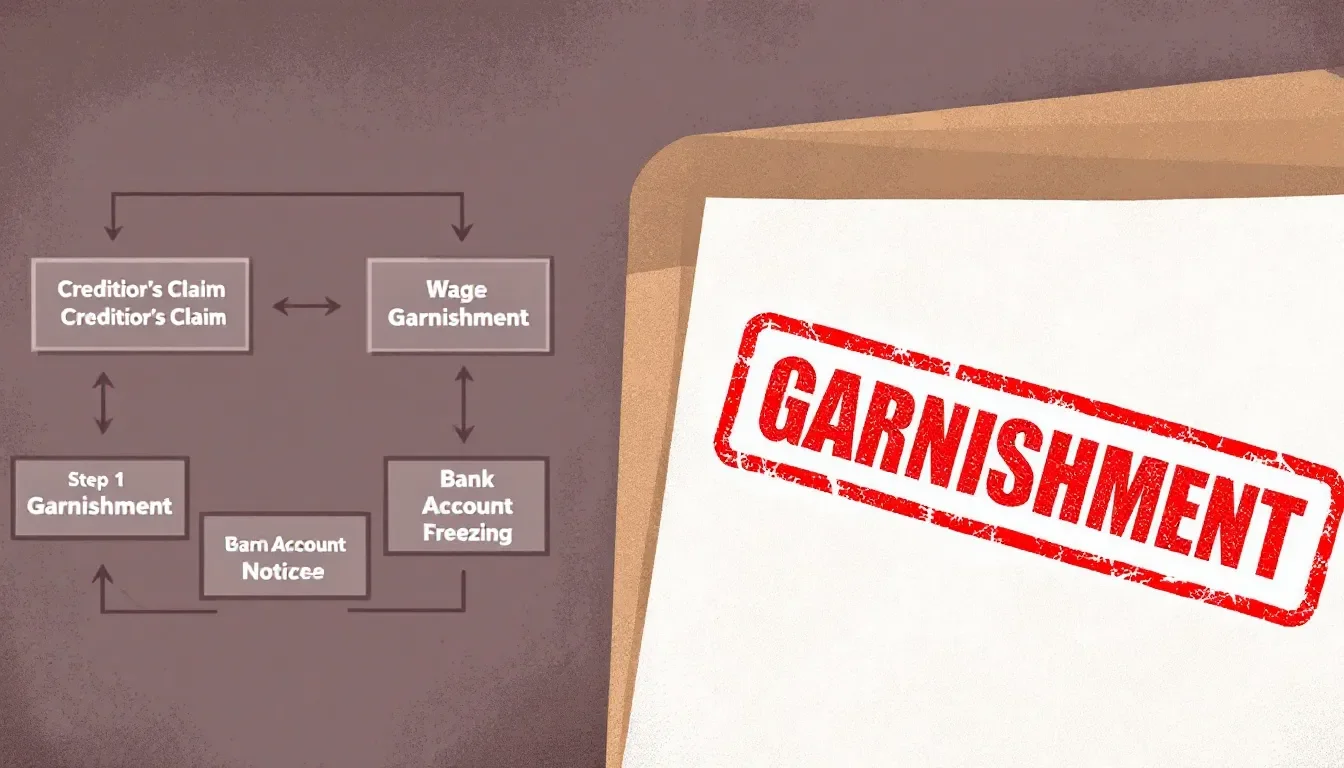
Bank garnishment is a legal procedure that allows creditors to claim funds directly from a debtor’s bank account after obtaining a court order. The garnishment process typically begins when a creditor, often a debt collector, obtains a judgment against the debtor. This judgment is essentially a court’s recognition that the debtor owes a specific amount of money to the creditor.
Once the judgment is secured, the creditor can request a writ of garnishment, a legal order that commands a third party—usually a bank—to seize the debtor’s assets. Upon receiving the wage garnishment order, the bank freezes the debtor’s funds, preventing any access to the money until the creditor is paid. This can be a jarring experience, especially if you rely on those funds for essential expenses.
Understanding the intricacies of bank garnishment sets the foundation for knowing how to reverse it. Recognizing the role of court orders, judgment creditors, and the legal processes involved equips you with the knowledge needed to navigate this challenging situation effectively.
Legal Grounds for Reversing a Bank Garnishment
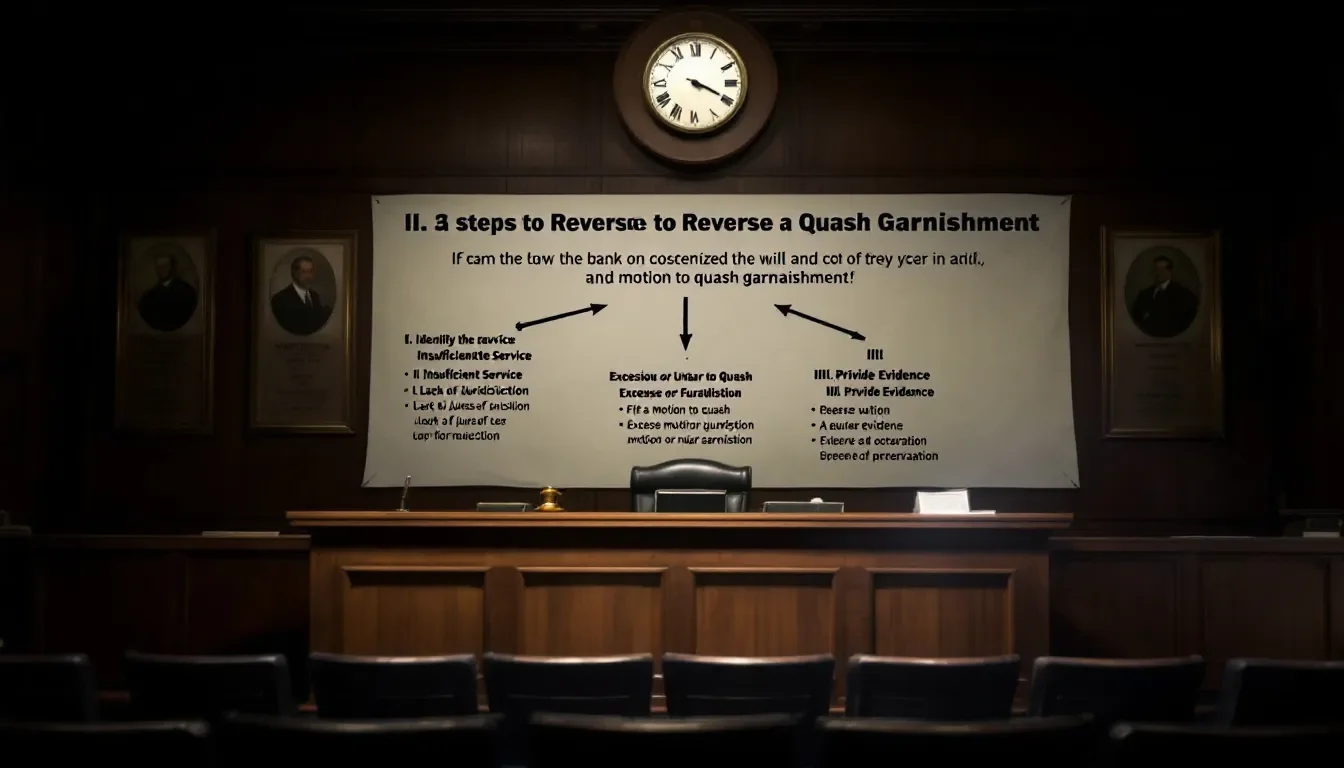
Reversing a bank garnishment is not impossible, but it requires solid legal grounds. One of the primary ways to stop the garnishment is by claiming an exemption. If you qualify for a garnishment exemption, the garnishment stops, and the seized money is returned to you. The process usually involves filing a defendant claim form and attending a court hearing where the judge determines if you qualify for the exemption.
Another legal ground for reversing a garnishment is to challenge the procedures followed by the judgment creditor. If the creditor did not adhere to proper legal procedures, such as providing adequate notice or following court rules, you might successfully challenge the garnishment. Gathering all relevant documentation related to your financial situation can be crucial in these cases.
These legal grounds provide a pathway to reclaim your financial stability. Understanding them will empower you to take the necessary steps to stop the garnishment and recover your funds.
Filing an Exemption Claim
Filing an exemption claim is a critical step in reversing a bank garnishment. To halt the garnishment, you must file a claim of exemption within 20 days of receiving the garnishment notification. This claim must include a notice stating that certain assets are protected from garnishment. The claim for exemption form should be submitted to the court clerk’s office.
Check the notice of garnishment for any deadlines to respond, as you may have limited time to contest the garnishment or claim exemptions. Once you’ve filed the claim, you can request a court hearing to validate your exemption within seven business days. Failing to appear at the scheduled hearing may result in losing the right to claim the exemption.
Following these steps meticulously increases your chances of successfully stopping the garnishment and getting your money returned.
Challenging the Original Judgment
Besides filing an exemption claim, you can also challenge the original judgment that led to the garnishment. If there were any improper procedures in obtaining the original judgment, you could request its vacating, which would subsequently stop the garnishment. To contest the garnishment, you must file a written objection detailing your reasons and relevant information.
A court hearing is usually required to discuss the grounds of your objection. Include all necessary case details and your contact information in the written objection to ensure a smooth process. This step demonstrates that the judgment creditor did not follow proper legal procedures.
Challenging the original judgment can be a powerful tool in reversing a garnishment, but it requires meticulous attention to detail and adherence to court rules.
The Role of a Local Attorney
Engaging a local attorney can significantly improve your chances of reversing a bank garnishment. A knowledgeable attorney understands the garnishment process and the available legal options to contest it. They can provide crucial assistance in filing objections against garnishment orders within the appropriate time frames as mandated by law.
An experienced attorney can help identify claims for exemption that may apply to your situation, increasing the likelihood of a successful outcome. Legal professionals can represent you in court, ensuring that your rights are protected and that proper legal process procedures are followed during hearings.
A local attorney offers both strategic advice and practical support in navigating the complexities of legal garnishment.
Impact of Filing Bankruptcy

Filing for bankruptcy can be a game-changer when it comes to halting bank garnishments. When a bankruptcy petition is filed, an automatic stay is implemented, halting most collection actions, including garnishments, to give the debtor relief. This automatic stay means that creditors cannot initiate collection actions without court approval, which includes actions like wage garnishments. If you find yourself in financial distress, it may be time to file bankruptcy.
Bankruptcy can also eliminate the underlying debt that prompted the garnishment, preventing future collection attempts. The goal of bankruptcy is to enable debtors to obtain a discharge from certain debts, permanently preventing creditors from pursuing collection after the case concludes. Additionally, filing for bankruptcy can halt the garnishment and may allow recovery of funds taken within the 90 days prior to filing.
Informing your employer and creditors about your bankruptcy filing stops ongoing garnishments and ensures a swift refund of any garnished wages. Understanding the impact of bankruptcy provides a pathway to financial recovery and stability.
Recovering Seized Funds
Recovering funds that have already been garnished can be a challenging but achievable goal. If a court rules in favor of a claim of exemption, previously seized funds may be returned to the consumer. Under Florida law, certain types of income like Social Security and unemployment benefits are protected from garnishment and can potentially be recovered.
If funds were garnished within 90 days prior to filing bankruptcy and exceed $600, those funds may be recoverable. Upon successful completion of a bankruptcy case, any garnishments in place before the filing are typically reversed, allowing the debtor to regain access to their funds.
To reclaim funds taken through a bank garnishment in Florida, act quickly and consult a bankruptcy attorney who can guide the recovery process. Taking these steps can help you recover seized funds and regain control of your financial situation.
Protecting Your Income and Assets
Protecting your income and assets from garnishment is crucial to maintaining financial stability. Income sources such as Social Security and disability income are exempt from garnishment, protecting those funds from creditors. Additionally, wages earned by the head of household can be protected from garnishment under certain circumstances.
One effective strategy is to have your paycheck direct deposited into a bank account that is exempt from garnishment. This ensures that protected funds remain inaccessible to creditors, safeguarding your income and assets.
Being proactive and understanding which income sources are protected shields your disposable earnings from future garnishments.
Payment Plans and Negotiations
Negotiating with creditors to establish manageable payment plans can be a viable alternative to garnishment. An attorney can aid in debt negotiations, potentially leading to settlements that prevent garnishment altogether. Creditors often prefer to establish a payment plan rather than proceed with garnishment, allowing for voluntary payments that are more manageable.
To negotiate successfully, it’s crucial to communicate directly with the creditor or debt collector regarding your financial situation. Demonstrating financial hardship supports your case during negotiations, influencing creditors to agree to more favorable terms while adhering to fair debt collection practices.
Developing a budget and consulting with a financial advisor provides strategies for safeguarding your income from garnishment. Reaching a settlement with creditors can be a beneficial alternative, allowing you to maintain financial stability and avoid the stress of garnishment.
Steps to Take Immediately
If your bank account is garnished, first contact your bank to confirm the garnishment and understand the amount affected. Knowing the exact details can help you take the necessary steps to address the situation regarding your bank accounts.
You should also inform your employer about the garnishment, especially if your wages are being affected. Your employer may need to take action regarding your paycheck to ensure compliance with the garnishment order. These immediate steps help you respond quickly and effectively to a garnishment.
Summary
Reversing a bank garnishment involves understanding the legal grounds, filing exemption claims, challenging the original judgment, and potentially filing for bankruptcy. By taking these steps and seeking legal assistance, you can navigate the garnishment process effectively and reclaim your financial stability.
Remember, the key is to act quickly and informedly. Protect your income and assets, consider negotiating payment plans with creditors, and don’t hesitate to seek professional help. By doing so, you can stop a bank garnishment in its tracks and secure a more stable financial future.
Frequently Asked Questions
What is a bank garnishment?
A bank garnishment is a legal procedure in which a creditor obtains a court order to withdraw funds directly from a debtor’s bank account to fulfill a financial obligation. This process allows creditors to collect money owed to them efficiently.
How can I stop a bank garnishment?
To stop a bank garnishment, you can file an exemption claim, challenge the original judgment, or file for bankruptcy, which will provide an automatic stay on collection actions. Taking these steps can protect your funds effectively.
What types of income are protected from garnishment?
Income types protected from garnishment include Social Security benefits, disability income, and wages earned by the head of household. These exemptions help safeguard essential funds for individuals and families.
Can filing for bankruptcy help recover garnished funds?
Yes, filing for bankruptcy can stop garnishments and potentially recover funds taken within the 90 days prior, provided they exceed $600.
Is it necessary to hire an attorney to contest a bank garnishment?
It is not mandatory to hire an attorney to contest a bank garnishment, but doing so can greatly enhance your chances of success due to their legal expertise.