
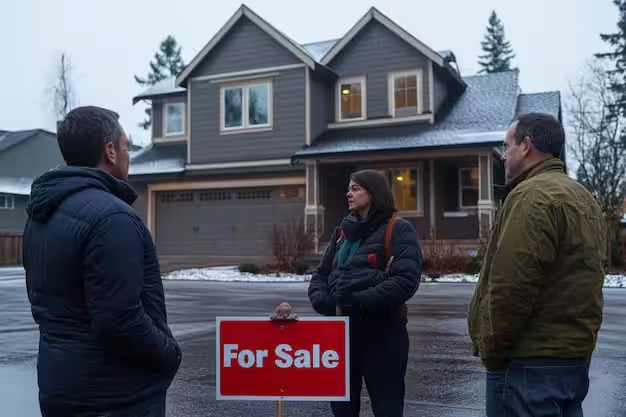
Facing foreclosure can be overwhelming, but homeowners often have options to regain control of their situation. One common question is: can you sell a house in foreclosure? The answer is yes—but it requires careful planning, quick action, and professional guidance.
In this guide, we’ll break down your options, explain how foreclosure lawyers can help, and explore strategies specific to Florida homeowners who want to sell their house before foreclosure.
Understanding Foreclosure
Foreclosure occurs when a homeowner fails to keep up with mortgage payments, and the lender begins legal action to reclaim the property. Once a foreclosure notice is filed, the homeowner has limited time to act before the property is sold at auction.
The foreclosure process can be stressful, but knowing your rights and options early can prevent unnecessary financial loss. Homeowners often feel trapped, but selling a house in foreclosure can be a viable solution to avoid credit damage and resolve debt.
Can You Sell a House in Foreclosure?
Yes, it is possible to sell your home during foreclosure. However, the process is more complex than a standard sale. Here are key points to consider:
- Timing is critical: The earlier you act in the foreclosure process, the more flexibility you have. Once the foreclosure sale is scheduled, it becomes difficult to sell.
- Lender approval: Selling during foreclosure often requires lender approval if the sale proceeds are less than your mortgage balance (and you don’t have the money to pay the remaining balance).
- Short sales as an option: If your home’s market value is less than the mortgage owed, you may pursue a short sale. In a short sale, the lender agrees to accept less than the full debt, allowing you to sell the property and avoid foreclosure.
For homeowners asking, “can I sell my house in foreclosure in Florida?” The answer is generally yes, but the state’s foreclosure laws and timelines must be understood.
Role of Foreclosure Lawyers
Navigating a foreclosure sale or short sale can be complicated. This is where foreclosure lawyers play a crucial role. Here’s how they can help:
- Legal guidance: Foreclosure laws vary by state. A Florida foreclosure defense attorney can explain your rights, deadlines, and available options.
- Negotiation with lenders: Experienced foreclosure attorneys or the best foreclosure attorney can negotiate with your lender to approve a short sale or explore alternative solutions such as loan modification.
- Representation in court: If the foreclosure has already reached the court stage, a skilled attorney can defend your interests and potentially delay or stop the sale.
- Preventing mistakes: Selling a home during foreclosure requires careful documentation. Foreclosure lawyers ensure that contracts, disclosures, and negotiations are legally sound.
Working with a foreclosure defense attorney increases your chances of selling the house successfully while minimizing financial and legal risks.
Options for Selling Your Florida Home Before Foreclosure
Homeowners in Florida have several strategies to consider when trying to sell a house in foreclosure. These include:
1. Consider a Short Sale
A short sale allows you to sell your property for less than the mortgage balance. The lender must approve the sale, but this option can prevent foreclosure from appearing on your credit report. It’s often faster and less damaging than foreclosure.
2. Sell to Cash Buyers or Investors
If you need a quick sale, cash buyers or real estate investors may purchase your home quickly, often as-is. This is particularly helpful if the property needs repairs and you don’t have time or funds for renovations.
3. Loan Modification Before Sale
Sometimes, a Florida foreclosure defense attorney can help negotiate a temporary loan modification. This can provide extra time to sell your house at market value instead of rushing into a short sale or foreclosure.
4. Deed in Lieu of Foreclosure
In a deed in lieu of foreclosure, you voluntarily transfer ownership of the property to the lender. While this does not provide a sale profit, it is often less damaging to your credit than foreclosure and can be part of a strategic plan to move forward.
5. Timing and Marketing Your Home
To sell successfully, it’s important to price your home competitively, stage it for potential buyers, and work with real estate agents experienced in pre-foreclosure sales. Quick action and professional marketing can make the difference in avoiding foreclosure.
When to Seek a Foreclosure Defense Attorney
If you are asking “can you sell a house in foreclosure”, it’s essential to involve a professional as soon as possible. Consider contacting a Florida foreclosure defense attorney if:
- You have received a notice of default or foreclosure filing
- You are unsure of the timeline to sell
- Your lender is uncooperative with a short sale
- You want to explore all legal options to prevent foreclosure
An experienced attorney can guide you through the process, negotiate with the lender, and ensure that selling your home does not create additional legal or financial problems.
Conclusion
Facing foreclosure is stressful, but selling your home during the process is possible and often a better alternative than letting the property go to auction. Can you sell a house in foreclosure? Yes—but timing, strategy, and professional guidance are crucial.
A foreclosure defense attorney or the best foreclosure attorney can provide the legal advice and negotiation skills needed to explore short sales, cash sales, or other foreclosure prevention options. For homeowners in Florida, understanding the state’s foreclosure laws and acting quickly can make all the difference.
If you are considering selling your home to avoid foreclosure, don’t wait until it’s too late. Contact Ziegler Diamond Law, a trusted Florida foreclosure defense attorney, today to review your options and take the first step toward financial relief.
Frequently Asked Questions
1. Can you sell a house in foreclosure?
Yes, it is possible to sell a house in foreclosure. Homeowners can explore options like a short sale, selling to cash buyers, or negotiating a traditional sale with lender approval. Acting early in the foreclosure process increases your chances of a successful sale.
2. What is a short sale, and how does it work?
A short sale occurs when you sell your home for less than the mortgage balance, with lender approval. This option can help avoid foreclosure and minimize credit damage. Working with a foreclosure defense attorney or foreclosure lawyer can help negotiate terms with your lender.
3. Can I sell my house in Florida during foreclosure?
Yes, Florida homeowners can sell their house during foreclosure. Options include short sales, cash sales, or leaseback arrangements. Consulting a Florida foreclosure defense attorney ensures you comply with state laws and maximize your sale opportunities.
4. How can foreclosure lawyers help me sell my home?
Foreclosure lawyers provide legal guidance, negotiate with lenders, and help protect your rights. They can assist with short sales, deed-in-lieu agreements, and other strategies to sell your home while avoiding or minimizing foreclosure consequences.
5. What are the risks of selling during foreclosure?
Selling a home during foreclosure can be complicated. Risks include lender refusal, lower sale prices, or legal mistakes in contracts. A best foreclosure attorney can help manage these risks and guide you through the process safely.
6. Can I sell to a cash buyer or investor during foreclosure?
Yes. Selling to a cash buyer or real estate investor is often faster and simpler, especially if you need a quick sale. This option allows homeowners to sell the home as-is and avoid the lengthy foreclosure process.
7. When should I contact a foreclosure defense attorney?
You should contact a Florida foreclosure defense attorney as soon as you receive a foreclosure notice or are behind on mortgage payments. Early legal guidance helps explore all sale options, negotiate with lenders, and protect your financial future.